
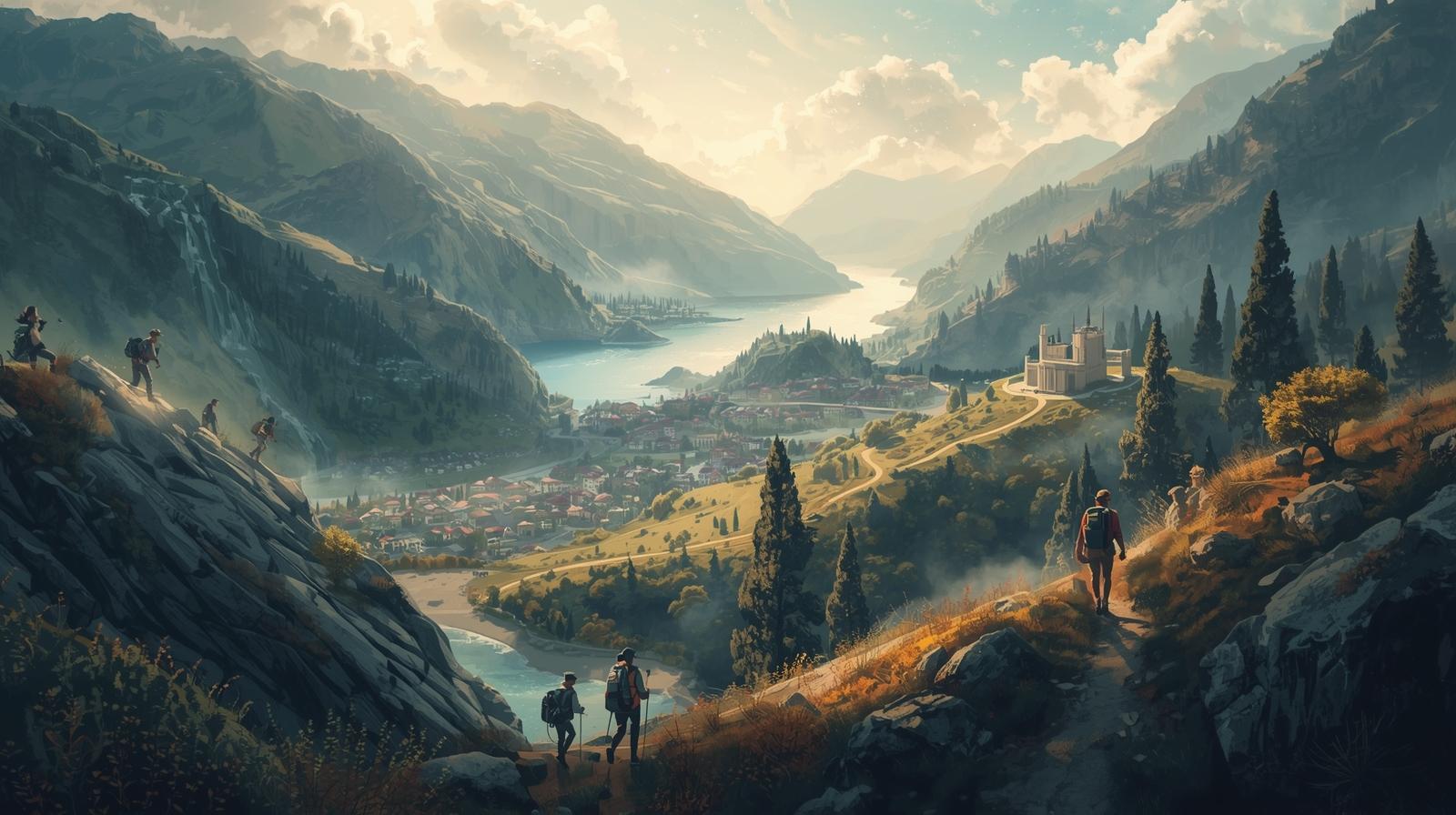
Hidden gems are destinations that remain less traveled while offering opportunities for discovery. These locations can be small towns, islands, villages, rural areas, or neighborhoods that are not widely promoted but provide meaningful experiences for visitors. Travelers often seek these places to explore, understand local life, or follow personal interests.
This guide explains the concept of hidden gems, their locations, planning for visits, travel systems, accommodation, transport, culture, safety, and practical information for travelers who want detailed guidance.
Concept of Hidden Gems
Hidden gems are often places that are not on typical tourist maps. They may lack extensive marketing or large-scale infrastructure. Travelers visit these destinations for:
- Quiet travel experiences
- Cultural observation
- Community interaction
- Natural exploration
These destinations may require planning, local guidance, and research to access. They offer experiences outside standard tourism routes.
Categories of Hidden Gems
Hidden gems exist in several forms. Travelers often categorize them as:
Rural and Village Destinations
These include towns or villages that provide insight into local systems and community life. They often rely on agriculture, small industries, or local trade. Access may involve road travel, minor rail lines, or regional airports.
Coastal and Island Destinations
Small islands and coastal villages are part of hidden gem travel. Access relies on ferries, small ports, and limited flights. Tourism is often managed by local authorities.
Mountain and Remote Destinations
Mountain regions provide routes for exploration, trekking, and local community visits. Road access may be limited, and transportation often follows seasonal availability.
Urban Neighborhoods
Certain neighborhoods in cities remain less traveled by typical tourists. Visitors explore local markets, historical areas, and cultural centers. Public transport, walking routes, and guided tours support access.
Historical and Archaeological Sites
Some ancient sites receive limited visitors. Travelers often need guides, local contacts, or permissions to access these areas. These destinations contribute to education and cultural understanding.
Importance of Hidden Gems
Hidden gems offer several benefits for travelers and communities:
- Reduced Crowds
Visitors can avoid congested tourist sites. This allows more personal interaction and observation. - Cultural Understanding
Travelers can observe local practices, language, and lifestyle. Community engagement is often more direct. - Economic Support
Tourism to small destinations supports local economies. Travelers contribute to local markets, accommodation, and services. - Environmental Awareness
Smaller travel destinations often follow community rules for environmental management. Travelers learn sustainable practices.
Planning Visits to Hidden Gems
Planning is essential for safe and effective travel to hidden destinations.
Research and Information
Travelers gather information from local authorities, online guides, and regional contacts. Some destinations require permission or registration.
Transport Planning
Access may include:
- Regional buses
- Local rail
- Ferries or boats
- Road networks
Transport schedules may be limited or seasonal.
Accommodation Planning
Accommodation can include:
- Guesthouses
- Homestays
- Small hotels
- Community lodging
Booking in advance is recommended for remote destinations.
Travel Timing
Timing affects accessibility, safety, and services. Some locations have restricted periods due to weather, local events, or natural conditions.
Transport and Access
Travel to hidden gems requires awareness of local systems.
Air Travel
Regional airports connect travelers to main hubs. Small airlines often service these areas.
Road Travel
Road networks vary in quality. Private transport, rental vehicles, or guided transfers are commonly used.
Sea Travel
Islands and coastal destinations rely on ferries or boats. Schedules depend on tides, weather, and community arrangements.
Walking and Trekking
Some destinations require walking routes or trekking to reach villages or sites. Travelers should follow local guides for safety and direction.
Accommodation Options
Accommodation supports local participation and comfort.
- Guesthouses run by families
- Small hotels with basic services
- Homestays supporting local households
- Community lodges managed by regional councils
Travelers review availability, rules, and services in advance.
Food and Local Dining
Hidden gems provide access to local food systems. Meals may be sourced from:
- Local markets
- Household kitchens (homestay meals)
- Small cafes or eateries
Travelers follow local food practices and hygiene guidelines.
Cultural Interaction
Travelers to hidden gems interact with communities. Observing local practices helps understanding. Travelers respect customs related to:
- Clothing and appearance
- Festivals and ceremonies
- Household rules
- Public behavior
Interaction may include participation in daily activities, community events, or educational visits.
Safety and Awareness
Safety planning is important due to remote locations and limited services.
Travelers should:
- Carry identification and documents
- Plan emergency contacts
- Follow community guidance
- Monitor weather and transport updates
First aid kits and communication devices support safety.
Health and Medical Services
Medical access varies in remote locations. Travelers should:
- Carry necessary medication
- Review vaccination requirements
- Confirm nearest medical facilities
Insurance supports coverage for emergencies.
Language and Communication
Local languages may dominate in hidden gems. English or regional languages may be limited. Travelers use:
- Basic phrases
- Translation tools
- Local guides for interpretation
Respectful communication improves community relations.
Technology and Connectivity
Connectivity may be limited. Travelers plan with:
- Offline maps
- Local SIM cards
- Satellite phones in remote areas
Digital booking may be limited in small destinations.
Environmental Responsibility
Travelers should follow environmental guidelines to preserve hidden gems. Practices include:
- Waste management
- Respecting natural resources
- Following local conservation rules
- Supporting sustainable tourism services
Cost and Budget Planning
Travel costs vary based on access and services. Budget planning includes:
- Transport
- Accommodation
- Food
- Entry fees
- Guides and local support
Costs may be higher due to limited supply or transport.
Examples of Hidden Gems by Region
Hidden gems exist worldwide. Examples include:
- Small villages in Europe connected by rail
- Islands in Oceania with limited ferry access
- Mountain regions in Asia with trekking routes
- Coastal towns in the Middle East
- Local neighborhoods in urban centers worldwide
Travelers discover hidden gems through research, local advice, and exploration.
Travel Itineraries
Planning itineraries for hidden gems requires flexibility.
- Multi day visits within villages or rural areas
- Island hopping and coastal routes
- Trekking or mountain routes
- Urban neighborhood exploration
Travelers allow extra time for transport delays and local arrangements.
Family and Group Travel
Hidden gems can be visited with family or small groups. Planning includes:
- Child-friendly routes and accommodation
- Group transport coordination
- Community-based activities
- Safety planning for remote areas
Solo Travel
Solo travelers can access hidden gems with preparation. Use of guides, public transport, and community engagement supports safety and route navigation.
Events and Local Programs
Local events may influence travel. Festivals, markets, and ceremonies affect schedules and availability. Travelers plan to align with local programs.
Future of Hidden Gem Tourism
Interest in hidden gems grows as travelers seek new experiences. Communities and governments develop access, sustainability, and safety systems. Travel planning, digital tools, and local guidance shape the future of hidden gem tourism.
Conclusion
Hidden gems offer opportunities to experience travel outside mainstream routes. They connect travelers with local communities, culture, and natural environments. Planning, research, and respectful behavior support smooth visits. Travelers benefit from personal experiences while contributing to community systems and sustainability.
This hidden gems travel guide provides structured information for travelers to identify, access, and plan visits to destinations that are lesser known but accessible with proper guidance.