

Introduction
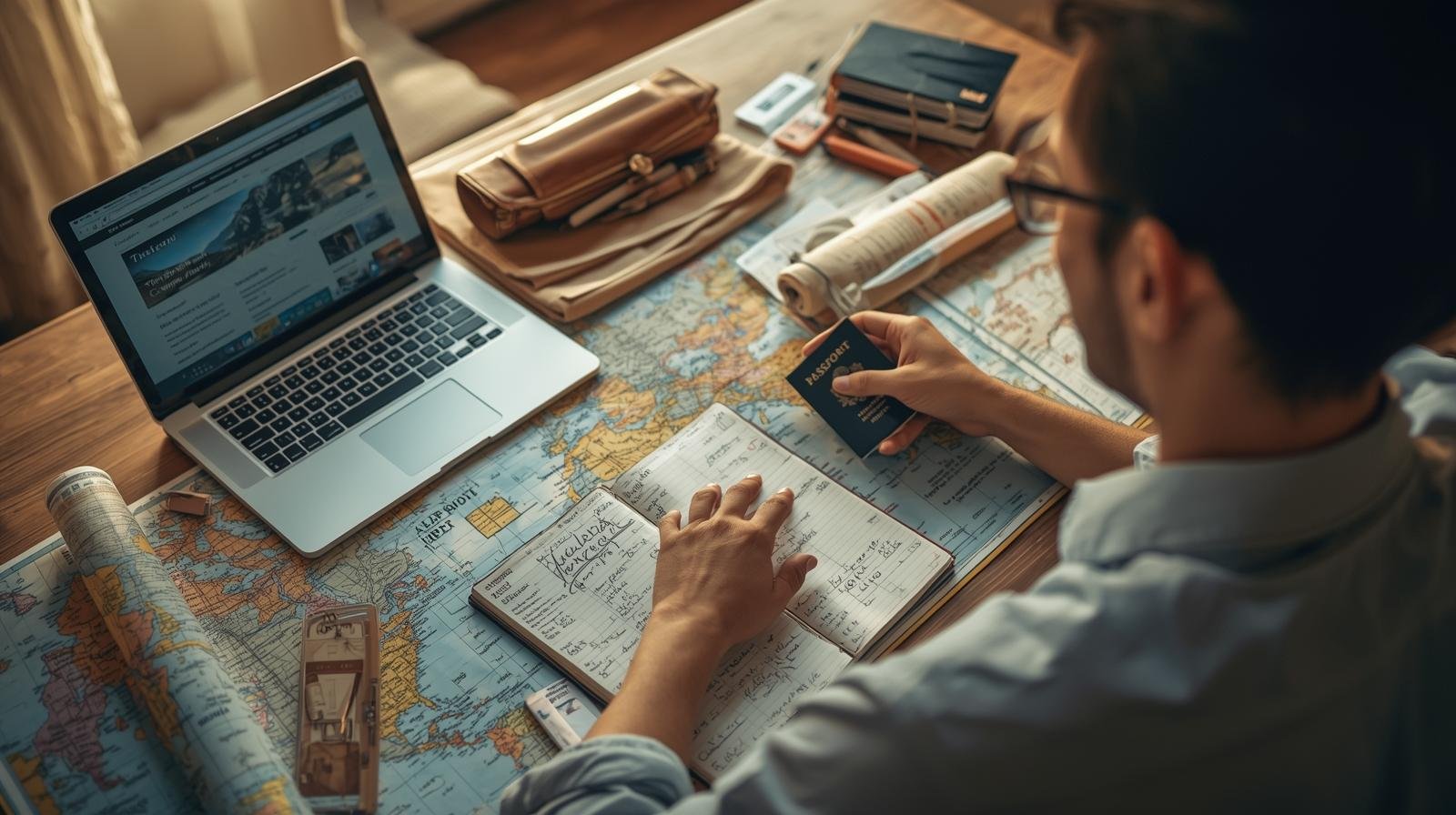
Solo travel allows individuals to explore destinations without companions. A traveler who plans a solo journey manages transportation, accommodation, activities, and travel documents independently. Planning becomes an essential part of a successful solo travel experience.
Without preparation, travelers may face problems related to transportation, safety, or scheduling. A clear plan helps travelers move through destinations with confidence and control.
This guide explains how to plan a solo travel experience step by step, from destination selection to travel preparation and itinerary management.
Define the Purpose of the Trip
The first step in planning solo travel is defining the purpose of the journey. The purpose helps determine destinations, activities, and travel duration.
Travel purposes may include:
- cultural exploration
- historical research
- personal reflection
- education
- tourism activities
When travelers understand the purpose of the trip, they can select destinations and experiences that match personal goals.
Defining the purpose also helps organize the travel schedule.
Choose a Destination
Destination selection plays a major role in solo travel planning.
Travelers should research locations based on:
- transportation access
- accommodation availability
- visa requirements
- cultural environment
- travel costs
Research may involve tourism websites, travel forums, and travel blogs.
Selecting a destination that supports independent travel helps reduce challenges during the journey.
Travelers should also review entry rules and documentation requirements before making final decisions.
Set Travel Dates
Travel dates influence transportation prices, accommodation availability, and tourism activity.
Solo travelers should consider:
- work schedules
- national holidays
- travel seasons
- weather conditions
Planning travel dates early allows travelers to reserve transportation and accommodation before prices change.
Flexible travel dates may help travelers adjust plans based on budget or availability.
Create a Travel Budget
Financial planning supports a successful solo travel experience.
A travel budget may include:
- transportation costs
- accommodation expenses
- food costs
- activity fees
- travel insurance
- document fees
- emergency funds
Travelers should calculate estimated expenses before booking services.
Budget planning ensures that travelers maintain financial control during the trip.
Travelers may track spending using budgeting applications or written records.
Book Transportation
Transportation connects travelers with their destination.
Common transportation methods include:
- flights
- trains
- buses
- rental vehicles
Solo travelers should compare ticket prices through travel booking platforms.
When selecting transportation services, travelers should review departure times, baggage rules, and travel duration.
Booking transportation early may help secure seats and avoid scheduling conflicts.
Travelers should also save digital copies of transportation tickets.
Arrange Accommodation
Accommodation provides a place for rest during the journey.
Solo travelers can choose from several accommodation types such as:
- hotels
- hostels
- guest houses
- rental apartments
Before booking accommodation, travelers should review:
- location
- access to transportation
- guest reviews
- security systems
Accommodation located near transportation systems or city centers may help travelers move around the destination easily.
Travelers should keep confirmation records for accommodation reservations.
Prepare Travel Documents
Travel documents are necessary for international travel.
Common documents include:
- passport
- visa
- identification records
- travel insurance
Travelers should verify passport validity before travel. Many countries require passports to remain valid for several months after arrival.
Visa rules vary between countries. Some destinations allow visa free entry while others require visa applications.
Travelers should also keep copies of documents on mobile devices or secure storage platforms.
Plan Travel Activities
Activity planning helps travelers organize time during the trip.
Solo travelers may research:
- historical sites
- museums
- parks
- cultural centers
- local markets
Tourism websites and travel guides provide information about attractions and visitor hours.
Travelers may create daily schedules that include travel time between locations.
Planning activities ensures that travelers experience important destinations during the journey.
Pack Travel Items
Packing preparation ensures that travelers carry essential items.
Packing lists may include:
- clothing
- travel documents
- mobile chargers
- medication
- personal hygiene products
Travelers should check baggage limits set by airlines before packing.
Essential documents and valuables should remain in carry-on bags.
Packing according to travel duration and planned activities helps maintain organization during the trip.
Arrange Communication Tools
Communication tools help solo travelers stay connected with family and friends.
Travelers may use:
- mobile phones
- messaging applications
- email communication
Before departure, travelers should confirm mobile network access at the destination.
International roaming or local mobile network services may provide communication options.
Maintaining communication ensures that travelers can contact others in case of emergencies.
Share Travel Plans
Solo travelers should share travel plans with trusted contacts.
Information shared may include:
- destination location
- accommodation address
- travel dates
- transportation details
Family members or friends can monitor travel progress through this information.
Sharing travel plans provides an additional level of safety.
Travelers may also send updates after arriving at destinations.
Organize Travel Itinerary
A travel itinerary helps travelers manage daily schedules.
An itinerary may include:
- flight details
- accommodation reservations
- activity schedules
- transportation routes
Travelers can store itineraries on mobile devices or printed documents.
Having an itinerary helps travelers stay organized and reduces confusion during travel.
It also helps travelers manage time between activities and transportation schedules.
Prepare for Unexpected Situations
Travel may involve unexpected events such as transportation delays or reservation changes.
Solo travelers should prepare backup plans for these situations.
Examples include:
- identifying alternative transportation options
- locating nearby accommodation providers
- maintaining emergency funds
Preparation allows travelers to respond quickly if plans change.
Flexibility supports smooth travel experiences even when unexpected events occur.
Maintain Health During Travel
Health preparation is an important part of travel planning.
Solo travelers should maintain:
- hydration
- regular meals
- sufficient rest
Travelers should also carry personal medication when necessary.
Locating nearby medical facilities at the destination may help travelers respond to health issues during travel.
Maintaining health ensures that travelers can continue exploring destinations without interruption.
Manage Time During the Journey
Time management helps travelers explore destinations efficiently.
Solo travelers should balance travel activities with rest periods.
Planning too many activities in one day may lead to fatigue.
Allowing time for transportation and unexpected delays helps travelers maintain control over their schedule.
Time management improves the overall travel experience.
Reflect on the Travel Experience
Solo travel offers opportunities for reflection.
Travelers may use time during the journey to think about experiences, interactions, and personal goals.
Reflection may occur during:
- transportation journeys
- visits to cultural locations
- quiet moments in parks or public spaces
These moments help travelers gain insight into cultures and personal development.
Conclusion
Planning a solo travel experience requires organization, research, and preparation. Travelers must select destinations, arrange transportation, manage finances, and prepare travel documents before departure.
A structured plan allows travelers to explore destinations independently while maintaining control over travel schedules and resources.
Solo travel provides opportunities for cultural exploration, personal reflection, and independent decision making.
When travelers prepare carefully and manage their journey responsibly, solo travel becomes a meaningful experience that combines exploration, learning, and personal growth.