

Introduction
Technology plays a central role in modern travel. Over time, digital systems changed how people search for destinations, plan trips, reserve transportation, and communicate during travel. The travel industry now relies on digital platforms, online services, and mobile tools to connect travelers with airlines, hotels, transportation providers, and tourism organizations.
Before the development of online travel systems, travelers depended on physical travel agencies, printed schedules, and telephone communication to arrange trips. Technology introduced digital platforms that allow travelers to search and reserve services directly through the internet.
Airlines, hotels, tourism organizations, and transportation services now operate through digital infrastructure that connects providers with travelers across the world. Technology supports trip planning, payment systems, navigation, customer service, and information distribution.
This article explains how technology is changing the travel industry and describes the systems that influence travel planning, booking, transportation, and tourism services.
Online Booking Platforms
One of the most significant changes in the travel industry involves the development of online booking platforms. These platforms allow travelers to search, compare, and reserve travel services through digital interfaces.
Travelers can now reserve flights, accommodation, and transportation through websites and mobile applications without visiting physical offices.
Platforms such as Booking.com allow travelers to search accommodation in cities across the world. Users can review room availability, compare prices, and confirm reservations through digital payment systems.
Another widely used service is Expedia. This platform provides access to flights, hotels, and rental vehicles.
Online booking platforms connect travelers with service providers through global databases. These systems process millions of travel reservations every day.
Digital Flight Search Systems
Flight search technology helps travelers locate airline routes and ticket prices across many airlines.
Platforms such as Skyscanner collect flight information from airlines and travel agencies. Travelers enter departure locations, destinations, and travel dates to view flight options.
Another platform used for flight search is Google Flights. This system displays route options, departure schedules, and price history.
Digital flight search systems allow travelers to compare airline services quickly. This technology reduces the time required to locate flight tickets and improves access to airline networks.
Airlines also use digital systems to update ticket prices and seat availability.
Mobile Travel Applications
Mobile applications play an important role in modern travel.
Travelers use apps to perform tasks such as:
- booking flights
- reserving accommodation
- ordering transportation
- locating attractions
- managing itineraries
Navigation tools such as Google Maps help travelers move through cities using digital maps and route guidance.
Ride services such as Uber connect passengers with drivers through mobile networks.
Travel apps combine several services within one device. Travelers can organize travel documents, review reservations, and receive travel alerts through smartphones.
Mobile applications allow travelers to manage trips from almost any location.
Digital Payment Systems
Technology introduced digital payment methods that support travel transactions.
Travelers now pay for travel services using:
- credit cards
- digital wallets
- online banking systems
Digital payment systems process transactions during flight reservations, hotel bookings, and transportation services.
Mobile payment platforms store payment details within secure accounts. Travelers confirm payments through digital authorization methods.
Digital payment systems reduce the need to carry large amounts of cash during travel.
Airlines, hotels, and tourism companies rely on payment systems that process transactions across international banking networks.
Artificial Intelligence in Travel
Artificial intelligence technology influences many areas of the travel industry.
AI systems analyze travel data and provide suggestions to travelers based on previous searches or booking behavior.
Travel websites use AI tools to recommend:
- destinations
- flight routes
- accommodation options
Some travel companies use chat systems that answer customer questions automatically. These systems respond to inquiries about flight schedules, reservation changes, or baggage rules.
Artificial intelligence also helps airlines manage flight schedules and monitor operational systems.
Airports and airlines apply AI tools to analyze passenger flow and optimize transportation operations.
Digital Maps and Navigation Systems
Navigation technology allows travelers to move through unfamiliar locations without relying on printed maps.
Applications such as Google Maps provide route guidance for walking, driving, and public transportation.
Navigation systems display directions, travel time, and distance between locations.
Travelers can search for:
- restaurants
- hotels
- museums
- transportation stations
Digital navigation tools help travelers locate destinations and understand city layouts.
Tourism organizations also use digital maps to guide visitors toward attractions and services.
Social Media Influence on Travel
Social media platforms influence travel decisions by sharing information about destinations and travel experiences.
Travelers often view photos, videos, and travel stories before selecting destinations.
Platforms such as Instagram allow users to share images from travel locations. These images introduce destinations to global audiences.
Travelers also use review platforms such as Tripadvisor to read comments about hotels, restaurants, and attractions.
User generated content influences tourism because travelers trust experiences shared by other visitors.
Tourism businesses often promote destinations through digital marketing on social media platforms.
Smart Airports and Digital Check-In
Airports use digital systems to manage passenger movement and airline operations.
Many airlines provide online check-in services that allow travelers to confirm flights through websites or mobile applications.
Passengers receive digital boarding passes that they store on smartphones.
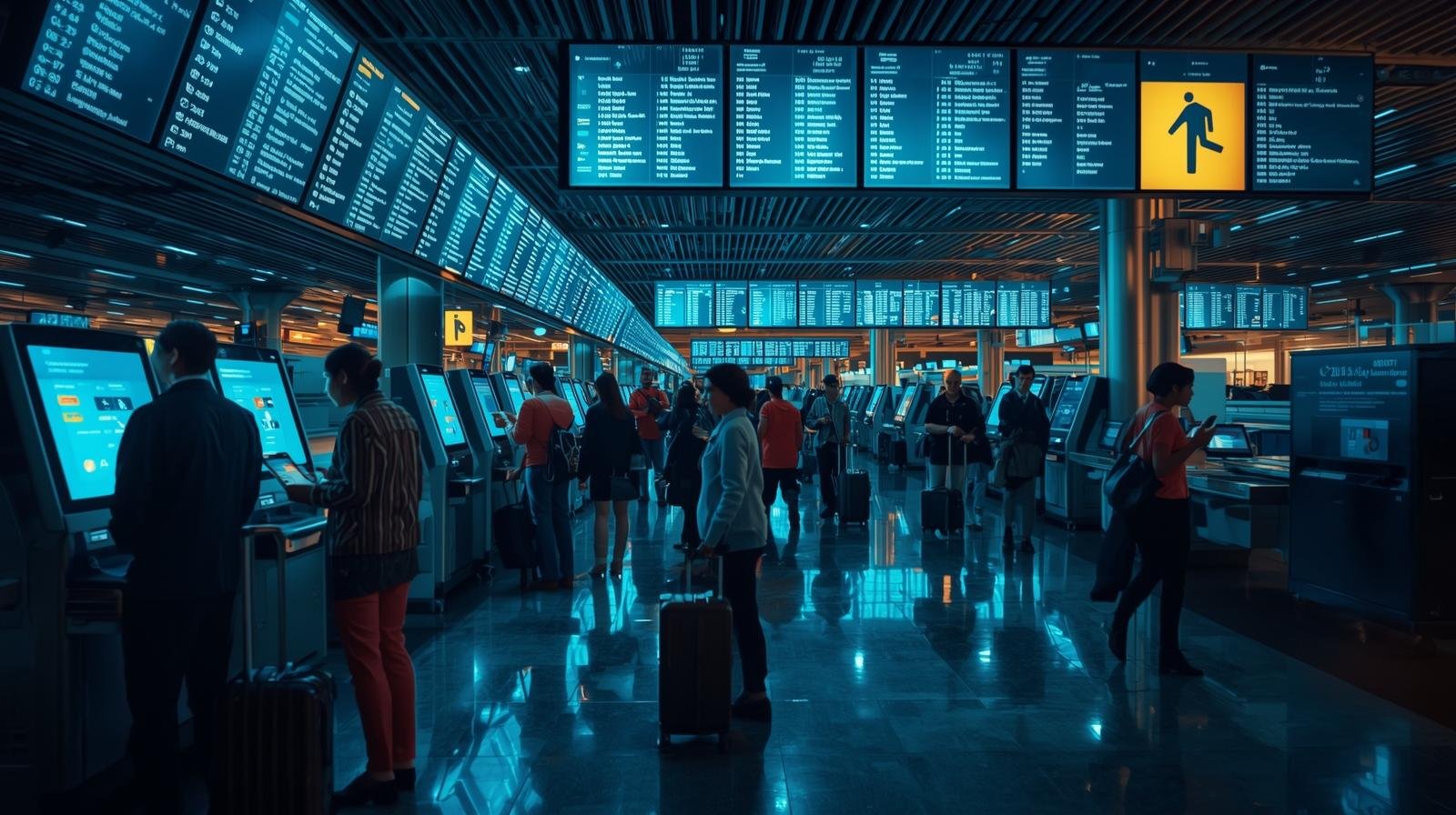
Some airports use automated kiosks where travelers print boarding passes or luggage tags.
Biometric technology also appears in airport systems. Some airports test identity verification through facial recognition systems.
These technologies reduce waiting times and improve airport operations.
Virtual Tours and Destination Promotion
Tourism organizations use virtual technology to present destinations through digital experiences.
Virtual tours allow travelers to view landmarks, museums, and cultural sites through online platforms.
Travelers can explore destinations digitally before planning trips.
Museums and tourism boards publish virtual tours on websites and digital platforms.
Virtual travel content helps travelers understand locations and decide whether to visit them in person.
Tourism companies use virtual experiences as marketing tools that promote destinations to global audiences.
Data Analytics in the Travel Industry
Travel companies collect large amounts of data through digital platforms.
Data analytics helps companies understand traveler behavior.
Travel businesses analyze data such as:
- booking patterns
- search activity
- seasonal travel trends
This information helps airlines and hotels adjust prices and manage capacity.
Tourism organizations also analyze visitor numbers and travel patterns.
Data analysis supports strategic planning in the travel industry.
Travel Safety Technology
Technology also improves travel safety.
Airlines and transportation systems use monitoring systems that track aircraft movement and transportation operations.
Travelers receive alerts through mobile apps about flight delays, gate changes, or schedule updates.
Some travel applications provide emergency contact information and safety notifications.
Digital communication systems allow travelers to contact family members and authorities if assistance is required.
Safety technology helps travelers remain informed during journeys.
Future Technology in Travel
Technology development continues to influence the travel industry.
Future travel systems may include:
- automation in transportation
- expanded biometric identification
- integrated travel planning platforms
Digital systems may combine flights, hotels, transportation, and tourism activities within unified booking platforms.
Artificial intelligence may provide advanced travel recommendations and personalized travel planning.
Technology will continue to reshape travel services as companies develop new digital infrastructure.
Conclusion
Technology has transformed the travel industry by introducing digital booking systems, mobile applications, navigation tools, and online communication platforms.
Travelers now plan trips, reserve services, and navigate destinations using digital technology. Platforms such as Booking.com, Skyscanner, Google Maps, and Tripadvisor support travel planning and decision making.
Airlines, hotels, tourism organizations, and transportation providers rely on digital systems to deliver services to travelers worldwide.
As technology continues to develop, the travel industry will adopt new tools that connect travelers with destinations, transportation networks, and tourism experiences.