
Introduction
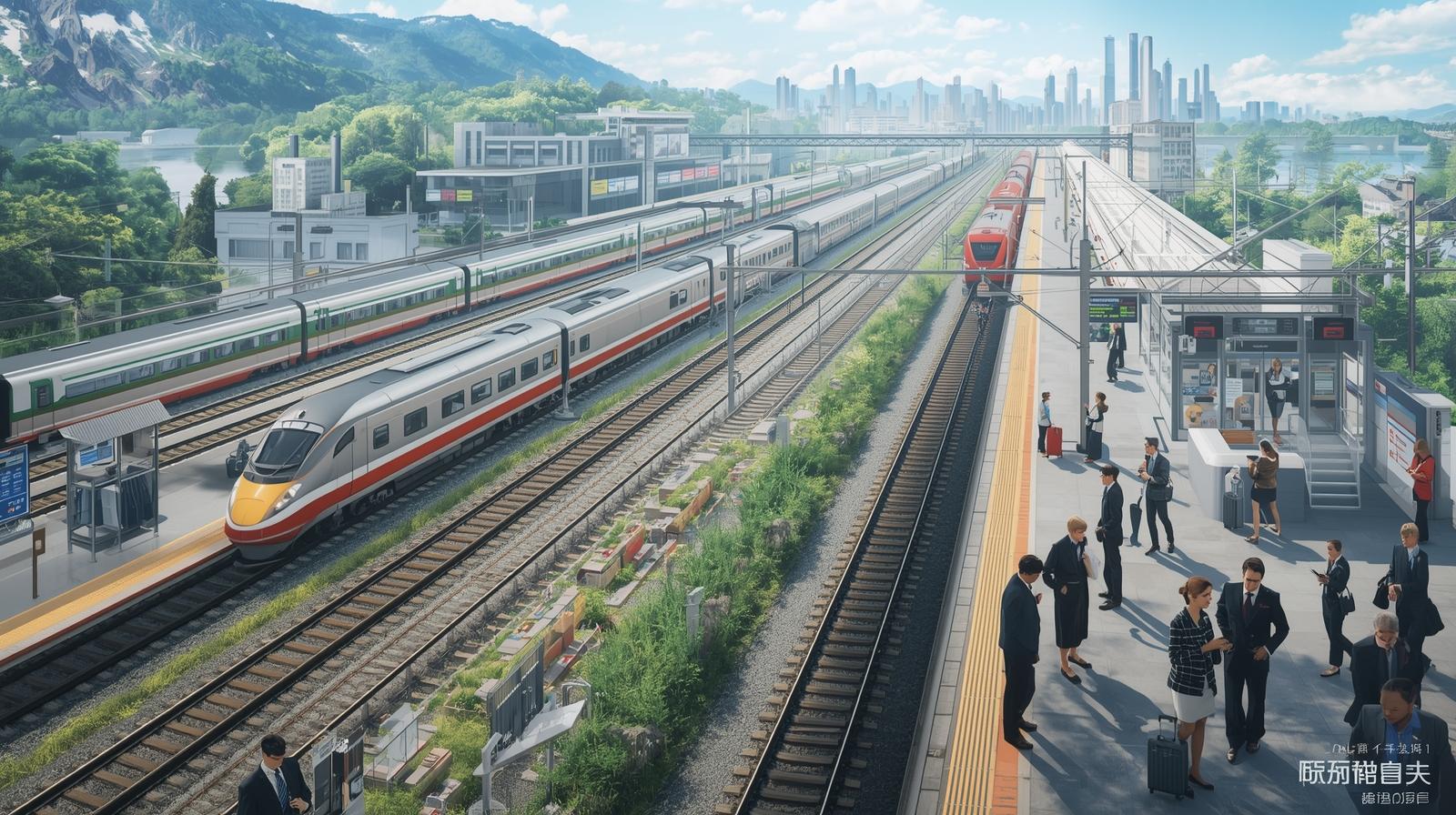
Rail travel has been a primary mode of transportation for more than two centuries. It connects cities, towns, and rural areas while supporting trade, commuting, and tourism. Trains operate on fixed tracks, offering reliable schedules for passengers and goods. Unlike other modes of transport, railways provide a structured system that integrates stations, freight services, and ticketing systems. Understanding trains and rail travel involves examining the history, types of trains, infrastructure, ticketing systems, safety measures, and modern developments.
History of Rail Travel
Rail travel began in the early 19th century. Early trains were powered by steam engines, which moved on iron tracks. Railways expanded rapidly, particularly in Europe and North America. By the mid-19th century, trains carried passengers and cargo across countries. Railways contributed to economic growth by connecting production areas with markets. Over time, trains evolved from steam to diesel and electric power, improving efficiency and reliability. Governments and private companies continue to maintain and expand rail networks to meet modern transportation demands.
Types of Trains
Rail transport includes different types of trains. Each serves a specific purpose and route.
- Passenger Trains:
Passenger trains transport people between cities, towns, and regions. They include local trains, regional trains, intercity trains, and high-speed trains. Local trains stop frequently and serve short distances. Intercity trains cover longer distances with fewer stops. High-speed trains operate on dedicated tracks and reach higher speeds than conventional trains. - Freight Trains:
Freight trains carry goods and materials. They transport bulk products such as coal, grain, and steel, as well as packaged goods. Freight trains reduce road congestion and can move large quantities over long distances efficiently. - Commuter Trains:
Commuter trains serve passengers traveling to work or school. These trains operate during peak hours, connecting suburbs and city centers. - Tourist Trains:
Tourist trains operate on scenic routes and provide passengers with a view of landscapes. They may include dining cars and observation areas. - Special Trains:
Special trains are designed for specific purposes, such as mail transport, emergency services, or maintenance work.
Railway Infrastructure
Railway infrastructure includes tracks, stations, signaling systems, bridges, tunnels, and maintenance facilities. Tracks consist of rails, sleepers, and ballast, providing a stable path for trains. Stations serve as boarding and departure points. Signaling systems control train movement, preventing collisions and ensuring efficiency. Bridges and tunnels allow trains to cross rivers, valleys, and mountains. Maintenance facilities handle repair and inspection of locomotives, carriages, and equipment. Modern railways integrate technology to monitor track conditions, train locations, and scheduling systems.
Ticketing Systems and Reservation
Rail travel relies on organized ticketing systems. Tickets can be purchased at stations, online, or via mobile apps. Reservation systems ensure seat availability and manage passenger flow. Different classes of service offer options for seating, sleeping, and dining. Some rail networks use electronic tickets, reducing paper use and simplifying verification. Passengers may choose between flexible tickets, which allow changes, and non-refundable tickets. Pricing varies based on distance, class, and train type.
Safety Measures
Rail travel has safety protocols to protect passengers and staff. Signaling systems prevent trains from colliding. Level crossings and fences prevent unauthorized access to tracks. Trains undergo regular maintenance to reduce mechanical failures. Staff are trained to handle emergencies, including evacuations and first aid. Advanced technology such as automatic train control monitors train speed and distance. Safety standards also include fire suppression systems, emergency brakes, and communication networks.
Advantages of Rail Travel
Rail travel offers several advantages. Trains provide reliable schedules and consistent travel times. They reduce traffic congestion on roads and have lower fuel consumption per passenger. Railways are suitable for transporting heavy cargo over long distances. Rail travel is accessible, serving urban and rural communities. It supports economic development by connecting production centers, markets, and ports.
Challenges in Rail Travel
Rail travel faces challenges related to infrastructure, cost, and maintenance. Tracks require continuous repair to maintain safety. Rail projects demand high investment for construction and upgrades. Train delays occur due to technical issues, weather conditions, or operational constraints. Competition with road and air transport can reduce passenger numbers. Urban areas require integration with other transportation systems for convenience.
Modern Developments in Rail Travel
Railways are evolving with new technologies and methods. High-speed rail networks have reduced travel time between cities. Electrification of tracks reduces reliance on fossil fuels. Automation and digital signaling improve efficiency and safety. Passenger comfort has improved with onboard services such as Wi-Fi, charging ports, and better seating arrangements. Freight transport uses real-time tracking to monitor cargo and optimize logistics.
Environmental Impact
Rail travel has a lower environmental impact compared to road and air transport. Trains produce less carbon dioxide per passenger and ton of freight. Electrified rail networks can operate using renewable energy. Reduced vehicle congestion contributes to cleaner urban air quality. Sustainable rail projects include energy-efficient locomotives and eco-friendly station designs.
International Rail Networks
Many countries operate international train services. Europe has extensive networks connecting multiple nations through high-speed and overnight trains. Asia has expanding high-speed rail systems linking major cities. Cross-border rail travel requires coordination of schedules, ticketing, and safety regulations. International rail networks support trade, tourism, and cultural exchange.
Tips for Travelers
Travelers can benefit from planning ahead when using trains. Checking schedules and ticket availability ensures smooth travel. Booking in advance may provide cost savings. Passengers should arrive early to navigate stations and board safely. Carrying identification and travel documents is necessary for international trains. Understanding the luggage policy helps avoid delays or fees. Passengers should follow safety instructions and respect station and train regulations.
Conclusion
Trains and rail travel continue to be an essential part of transportation systems worldwide. They provide reliable service for passengers and goods, support economic growth, and contribute to environmental sustainability. Modern rail networks incorporate technology to improve efficiency and safety. With continued investment and innovation, rail travel remains a practical choice for daily commuting, long-distance journeys, and international connections.