
Introduction
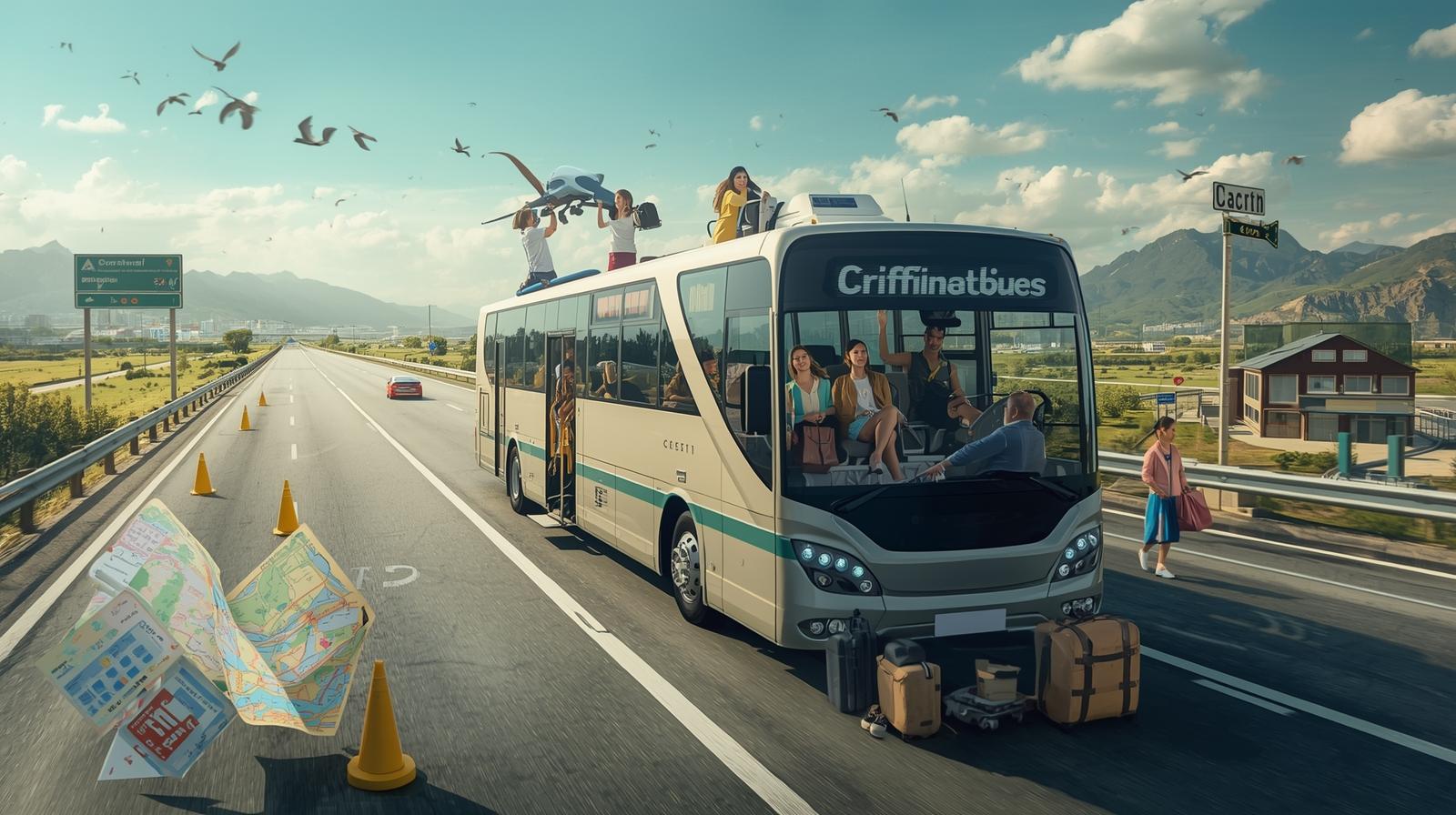
Bus and road travel form a crucial part of transportation worldwide. Buses connect cities, towns, and rural areas. They serve passengers for commuting, tourism, and business travel. Road travel also includes private vehicles, shared taxis, and coaches. This system allows flexible routes, schedules, and stops. Understanding bus and road travel involves examining the history, types of buses, infrastructure, ticketing systems, safety, regulations, and modern developments.
History of Bus and Road Travel
Road transport has existed for centuries, evolving from horse-drawn carriages to motorized vehicles. Buses appeared in the early 20th century as a mode of group transport. They provided affordable travel for workers and travelers. Road networks expanded with the development of highways and national roads. Governments and private companies built bus terminals, highways, and bridges to support increasing traffic. Bus travel became an alternative to rail travel in areas where tracks were unavailable or impractical.
Types of Buses
Buses serve multiple purposes and operate on different routes.
- City Buses
City buses serve urban areas. They follow fixed routes with frequent stops. These buses carry commuters, students, and tourists within the city. - Intercity Buses
Intercity buses connect cities and towns. They cover long distances and may have limited stops to reduce travel time. - Express Buses
Express buses run on highways with few stops. They offer faster travel between major points. - Tourist Buses
Tourist buses operate on specific routes for sightseeing. They may provide onboard information about landmarks and destinations. - School Buses
School buses transport students to and from educational institutions. They operate on scheduled routes and adhere to safety regulations. - Private and Shuttle Buses
Private and shuttle buses serve companies, hotels, and airports. They provide scheduled or on-demand transport for groups of passengers. - Long-Distance Coaches
Long-distance coaches carry passengers across states or regions. They include seating for comfort, luggage compartments, and sometimes onboard services like restrooms.
Road Infrastructure
Road transport depends on well-planned infrastructure. Roads include highways, expressways, rural roads, bridges, and tunnels. Highways allow faster travel with fewer stops. Expressways are limited-access roads that reduce congestion. Bridges and tunnels help vehicles cross rivers, valleys, and urban obstacles. Road networks require regular maintenance, signage, lighting, and traffic management systems to ensure smooth travel. Traffic signals, lane markings, and pedestrian crossings help maintain order. Bus terminals and stops provide boarding, disembarking, and ticketing facilities for passengers.
Ticketing and Reservation Systems
Bus travel uses organized ticketing and reservation systems. Tickets can be purchased at bus terminals, online, or via mobile apps. Reservation systems manage seat allocation and reduce overbooking. Buses may offer standard, reserved, or flexible tickets based on passenger needs. Some services include loyalty programs for frequent travelers. Pricing depends on distance, bus type, and time of travel. Advanced systems track availability in real-time and allow passengers to check schedules, boarding points, and routes.
Safety Measures in Bus and Road Travel
Safety is a critical part of bus and road travel.
- Driver Training
Drivers undergo training for handling vehicles, traffic rules, and emergency situations. - Vehicle Maintenance
Regular maintenance prevents breakdowns, accidents, and mechanical failures. - Road Safety Measures
Traffic signs, signals, and lane markings reduce collisions. Speed limits and traffic enforcement promote compliance. - Passenger Safety
Passengers are advised to wear seat belts, follow boarding and disembarking rules, and avoid distractions while traveling. - Technology in Safety
Modern buses use GPS tracking, automatic braking systems, and monitoring cameras. These systems allow real-time supervision and emergency responses.
Advantages of Bus and Road Travel
Bus and road travel provide several benefits:
- Access to remote areas not served by trains or airports
- Flexible routes and schedules
- Affordable travel for short and long distances
- Ability to carry passengers and luggage together
- Connection between cities, towns, and rural areas
- Support for tourism, commuting, and business travel
Challenges in Bus and Road Travel
Bus and road travel faces several challenges:
- Traffic congestion in urban areas
- Road maintenance and construction delays
- Vehicle breakdowns and accidents
- Weather-related disruptions
- Competition from trains, flights, and ride-sharing services
- Fuel costs and environmental concerns
Addressing these challenges requires infrastructure investment, better traffic management, and vehicle maintenance standards.
Modern Developments in Bus and Road Travel
Road travel continues to evolve with technology and policy improvements.
- Digital Ticketing
Online booking platforms and mobile apps provide convenience and real-time tracking. - Smart Roads and Traffic Management
Intelligent transportation systems use sensors, cameras, and traffic control to reduce congestion and enhance safety. - Electric Buses
Electric buses reduce emissions and dependence on fossil fuels. They contribute to sustainable urban transport. - Integrated Transport Systems
Bus services now integrate with metro, rail, and other transport modes for smoother connectivity. - Onboard Services
Modern buses provide Wi-Fi, charging ports, and comfort features for passengers on long journeys. - Fleet Management
GPS and route optimization systems help companies manage buses efficiently and reduce operational costs.
Environmental Impact
Road travel has environmental implications. Traditional buses emit carbon dioxide and particulate matter. Traffic congestion increases fuel consumption and air pollution. Electric buses and improved road management can reduce emissions. Efficient scheduling and route planning minimize empty trips and energy usage. Governments encourage policies that combine public transport, cycling, and walking to reduce the overall carbon footprint.
International Bus Travel
Bus travel is not limited to one country. International bus services connect neighboring countries. These services require coordination for border control, tickets, and safety standards. International buses serve business travelers, tourists, and students. They offer an alternative to flights for regions with limited air connections. Cross-border travel includes regulations for luggage, travel documents, and vehicle inspections.
Tips for Passengers
Passengers can improve their travel experience by following tips:
- Check bus schedules and availability in advance
- Arrive early at boarding points
- Keep identification and travel documents ready for verification
- Follow luggage policies to avoid delays or extra charges
- Wear seat belts when available
- Follow instructions from bus staff and respect other passengers
- Monitor traffic updates to plan for delays
Conclusion
Bus and road travel remain essential components of global transportation. They provide accessibility for urban and rural communities, support trade, tourism, and commuting, and offer flexible travel options. With ongoing technological improvements and infrastructure investments, road transport continues to evolve for efficiency, safety, and environmental responsibility. Understanding buses, roads, safety, and modern developments helps passengers make informed choices and use services effectively.