
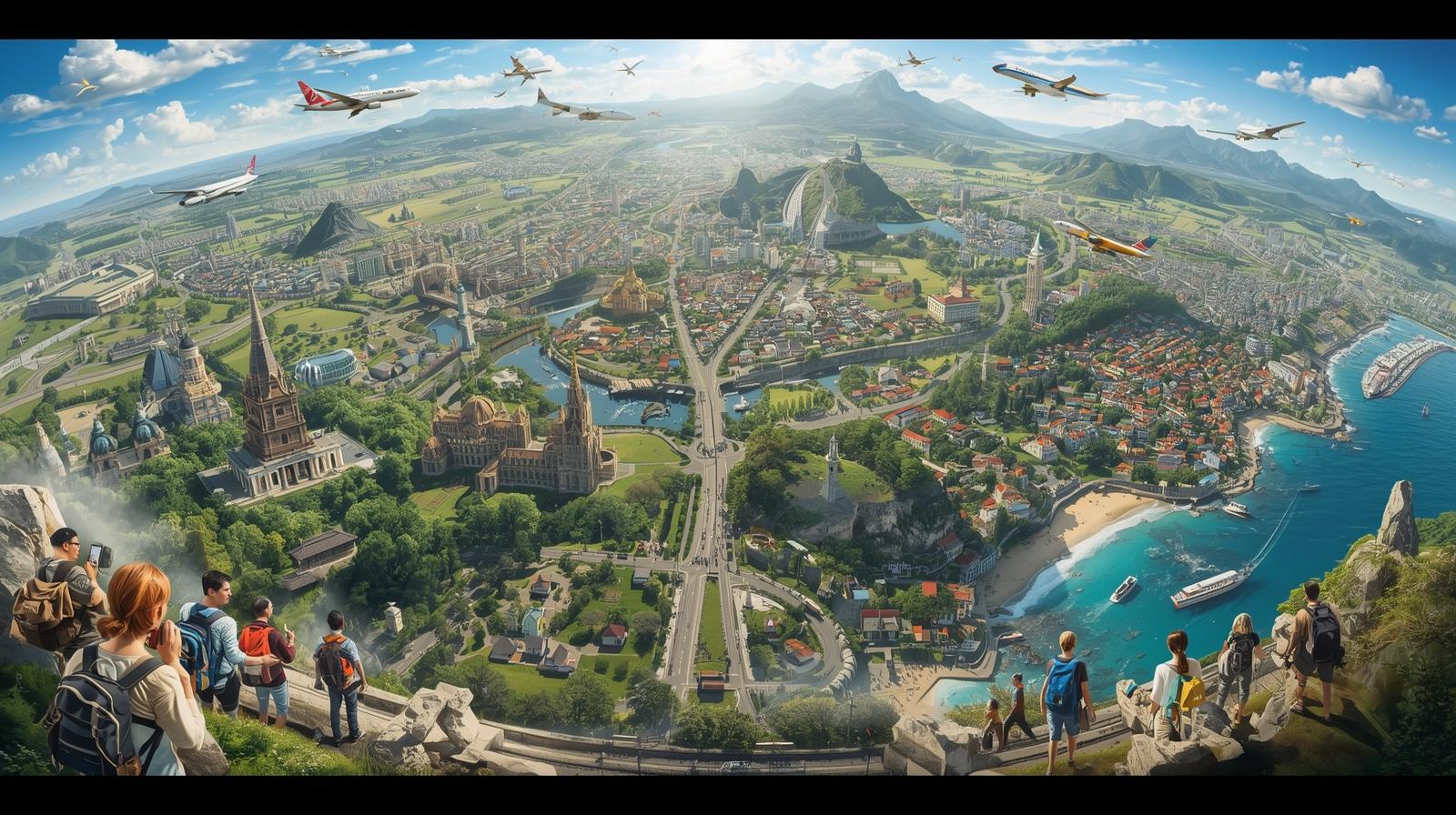
Country travel guides provide structured information for travelers visiting specific countries. These guides include details about destinations, transport systems, accommodation, activities, cultural norms, safety, and budgeting. Travelers use country travel guides to plan trips efficiently, navigate local systems, and engage with communities.
This guide provides detailed information for planning travel to any country, including destination selection, transport, accommodation, activities, food, health, safety, and practical tips for both short-term and long-term stays.
Concept of Country Travel Guides
Country travel guides are resources that offer comprehensive travel information for a specific country. They include:
- Geographic and regional information
- Local transport systems
- Accommodation options
- Activity and sightseeing recommendations
- Cultural and social norms
- Health and safety guidance
Travelers use these guides to prepare itineraries, identify destinations, and manage travel logistics.
Importance of Country Travel Guides
Country travel guides are important for several reasons:
- Efficient Planning
They help travelers organize transport, accommodation, and activities before departure. - Cultural Understanding
Guides provide insight into local norms, traditions, and regulations. - Safety and Health
Guides include information about medical facilities, emergency contacts, and safety measures. - Time Management
They allow travelers to maximize experiences within limited travel time. - Cost Management
Guides help travelers estimate expenses for transport, accommodation, meals, and activities.
Planning Travel to a Country
Proper planning is essential for a successful trip.
Destination Selection
Country travel guides provide information on:
- Cities and urban centers
- Rural and nature destinations
- Historical and cultural sites
- Coastal or island regions
Travelers select destinations based on interest, accessibility, and duration of stay.
Travel Timing
Timing considerations include:
- Seasonal weather patterns
- Local festivals and public holidays
- Transport availability
- Peak and off-peak periods
Traveling during appropriate periods ensures accessibility and reduces delays.
Travel Budget
Budgeting for a country trip involves:
- Transport costs
- Accommodation expenses
- Food and dining
- Activities and entrance fees
- Miscellaneous expenses
Budget planning supports cost control and ensures smooth travel.
Types of Country Travel Guides
Country travel guides may focus on various aspects depending on traveler needs.
Urban Travel Guides
Urban guides provide information for city exploration, including:
- Public transport systems
- City maps and routes
- Markets, cultural centers, and museums
- Dining and accommodation options
Nature and Rural Travel Guides
These guides cover natural areas and rural regions:
- National parks, forests, and rivers
- Trekking and walking routes
- Local village visits
- Observation of natural ecosystems
Planning is required for accessibility, transport, and seasonal availability.
Coastal and Island Travel Guides
Coastal guides provide information on:
- Beaches and coastlines
- Islands and ferries
- Water-based activities
- Accommodation near the coast
Scheduling is essential for short-term trips and ferry services.
Historical and Cultural Travel Guides
Historical and cultural guides provide:
- Heritage site information
- Museum and monument access
- Local cultural programs
- Community-based activities
These guides support educational and cultural engagement.
Transport Systems in a Country
Understanding transport systems is essential for smooth travel.
Air Travel
Air transport provides access to domestic and international destinations. Travelers consider:
- Airports and regional hubs
- Flight schedules
- Cost and booking options
- Luggage and check-in requirements
Rail Travel
Rail networks are widely used in many countries. They provide:
- Scheduled connections
- Comfort for long-distance travel
- Scenic observation routes
Road Travel
Road transport includes:
- Private vehicles
- Bus services
- Car rentals
- Shuttle services
Road travel allows flexibility and access to remote areas.
Sea Transport
Sea travel may be required for coastal or island regions:
- Ferries
- Private or shared boats
- Cruise services
Timing is important due to seasonal and weather dependencies.
Accommodation Options in a Country
Accommodation varies according to destination and budget. Options include:
- Hotels and motels
- Guesthouses or inns
- Apartments or short-term rentals
- Homestays and community lodges
Considerations include:
- Proximity to transport and activities
- Safety and accessibility
- Amenities and services
- Booking availability
Advance booking ensures access and supports efficient planning.
Activities and Experiences
Country travel guides provide activity recommendations for travelers.
Urban Experiences
- City walking or guided tours
- Museums, galleries, and cultural centers
- Markets and commercial areas
- Recreational or public spaces
Nature-Based Experiences
- National parks and reserves
- Trekking or walking routes
- Wildlife observation
- Rural community visits
Coastal Experiences
- Beaches and coastal walks
- Water-based activities
- Island excursions or ferry trips
Historical and Cultural Experiences
- Heritage site visits
- Local festivals and events
- Participation in community programs
Activities should be prioritized based on interest, time, and accessibility.
Food and Dining
Country travel guides include information on food options:
- Local restaurants and cafes
- Markets and self-prepared meals
- Regional cuisine experiences
- Dietary restrictions and food safety
Planning meals reduces unexpected costs and ensures smooth travel.
Health and Safety
Health and safety are essential for country travel.
Safety Measures
- Following local rules and regulations
- Access to emergency contacts
- Selecting safe accommodation
- Awareness of local hazards
Health Considerations
- Travel insurance
- Vaccinations and health checks
- Access to medical facilities
- Medication planning
Budgeting should include health-related costs for emergencies.
Budget Planning
Travelers use country travel guides to plan budgets for:
- Transport
- Accommodation
- Food and dining
- Activities and entrance fees
- Miscellaneous costs
Budget planning ensures cost-effective travel and prevents overspending.
Travel Documentation
Essential documents include:
- Passport and visa
- Travel insurance
- Transport tickets and confirmations
- Emergency contacts
Digital and physical copies are recommended for all documents.
Technology Support
Technology can assist in country travel:
- Navigation and map applications
- Online booking platforms
- Transport schedule tracking
- Communication tools
Offline options may be necessary in areas with limited connectivity.
Cultural Awareness
Travelers should observe local cultural norms:
- Dress codes and public behavior
- Photography restrictions
- Interaction with local communities
- Participation in festivals and events
Respectful behavior ensures smooth engagement and positive experiences.
Environmental Responsibility
Country travel guides often provide guidelines for minimizing environmental impact:
- Managing waste properly
- Respecting natural resources
- Supporting local businesses
- Following local sustainability practices
Responsible travel preserves destinations for future visitors.
Examples of Country Travel Destinations
Country travel guides may cover:
- Major cities with cultural, commercial, and historical sites
- Rural or nature-based destinations
- Coastal towns and islands
- Heritage and historical villages
Travelers benefit from structured information for planning and accessing these areas.
Planning Itineraries
Country travel itineraries balance:
- Travel and activity time
- Accommodation and transport coordination
- Sightseeing and exploration
- Flexibility for schedule changes
Structured itineraries ensure efficient use of time and resources.
Group and Family Travel
Country travel guides may include recommendations for:
- Family travel routes
- Group accommodation options
- Transport and activity coordination for multiple travelers
Group travel requires additional planning but can reduce costs and improve efficiency.
Seasonal and Regional Considerations
Travelers consider:
- Weather and climate patterns
- Transport schedules
- Local events and public holidays
- Seasonal activity availability
Proper timing ensures accessibility, safety, and optimal experiences.
Future of Country Travel Guides
Country travel guides continue to develop with:
- Digital platforms and mobile apps
- Up-to-date transport and accommodation information
- Integration of cultural, health, and safety data
- Support for sustainable and responsible travel
Travelers rely on guides to plan efficiently and access destinations safely.
Conclusion
Country travel guides provide structured information for planning trips to specific countries. They support travelers in destination selection, transport planning, accommodation, activities, dining, health, safety, and budgeting. Effective use of guides allows travelers to explore multiple locations efficiently, engage with communities, and maximize travel experiences.
This guide provides comprehensive information for travelers to plan, manage, and execute trips to any country while ensuring safety, efficiency, and cultural awareness.