
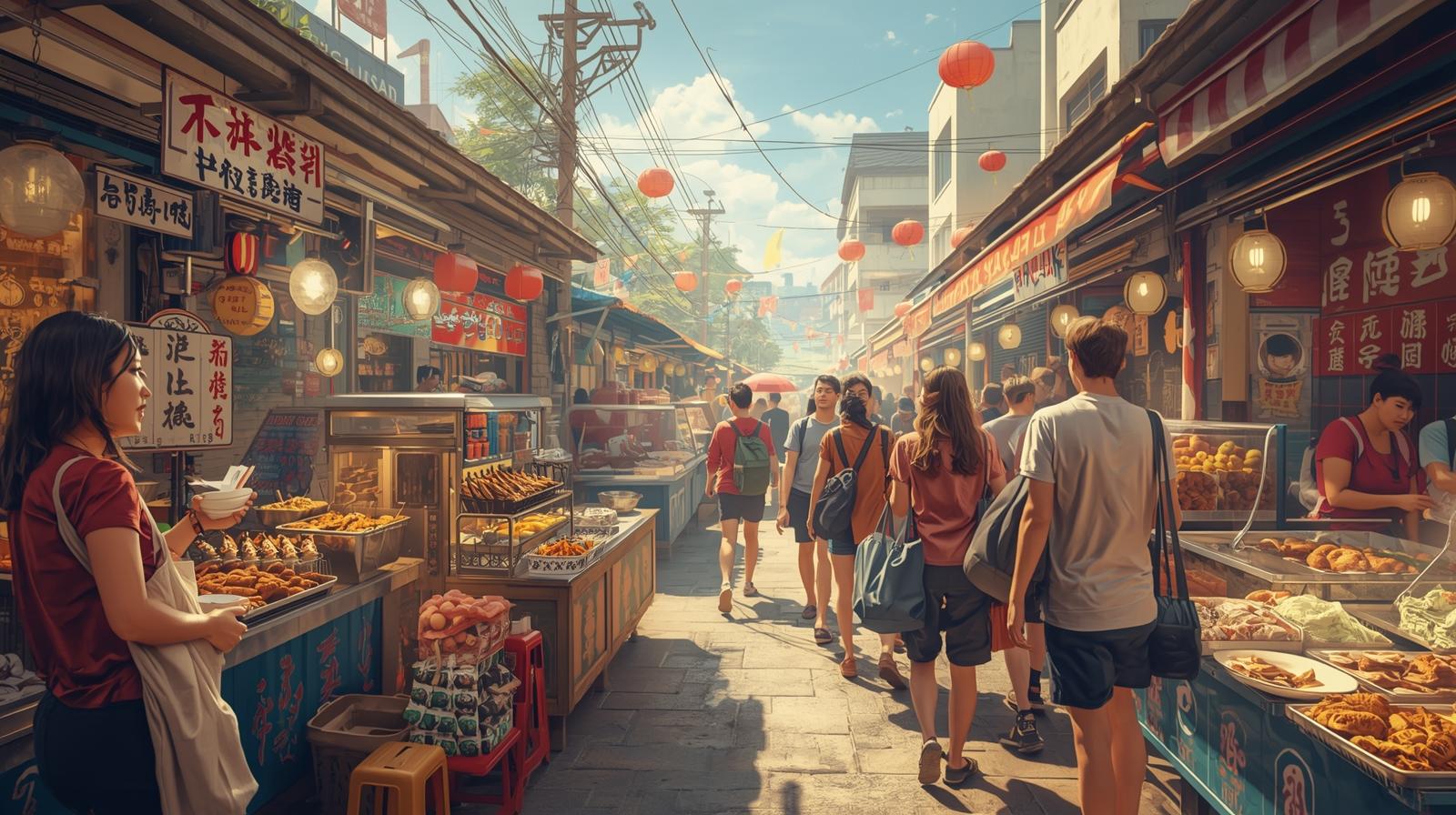
Food and local cuisine are important aspects of travel. They provide insight into culture, local customs, and daily life. Travelers use food and local cuisine experiences to explore destinations, understand communities, and engage with local practices. Proper planning allows travelers to maximize experiences while managing cost, health, and logistics.
This guide provides detailed information about local food, dining, planning, cultural norms, health, safety, budgeting, and practical considerations for travelers interested in exploring cuisine during travel.
Concept of Food and Local Cuisine
Food and local cuisine travel focuses on exploring meals, ingredients, preparation methods, and dining practices specific to regions. Travelers can experience:
- Traditional meals and recipes
- Street food and market foods
- Cultural dining customs
- Food-related events or festivals
Exploring local cuisine provides access to the social and cultural structure of communities.
Importance of Food and Local Cuisine Travel
Food and cuisine travel is important for several reasons:
- Cultural Insight
Meals reflect local customs, traditions, and lifestyle. - Travel Experience
Dining experiences provide direct interaction with communities. - Health and Nutrition Awareness
Understanding ingredients and preparation methods supports dietary planning. - Local Economy Support
Engaging with local markets and eateries supports small businesses. - Travel Engagement
Food experiences create opportunities to explore locations outside typical tourist areas.
Planning Food-Focused Travel
Planning is essential for effective food and cuisine exploration.
Destination Selection
Selection criteria include:
- Regional food specialties
- Local markets and dining options
- Availability of food-related tours
- Seasonal ingredients or events
Destinations are chosen based on interest in specific cuisine types and access to meals.
Travel Timing
Timing considerations include:
- Seasonal availability of ingredients
- Food festivals or markets
- Peak tourist periods
- Local dining schedules
Timing ensures access to intended food experiences and reduces missed opportunities.
Travel Budget
Budget planning includes:
- Cost of meals
- Food-related tours
- Local market purchases
- Dining experiences in communities
Budgeting supports efficient cost management and experience planning.
Types of Food and Local Cuisine Experiences
Travelers can explore cuisine in multiple ways.
Street Food and Markets
Street food and markets provide:
- Access to local meals
- Exposure to traditional ingredients
- Observation of local dining practices
- Opportunities for inexpensive dining
Planning visits to markets supports sampling of diverse food options.
Restaurants and Cafes
Restaurants and cafes provide:
- Access to regional dishes
- Structured dining environments
- Opportunities for group or family meals
- Coordination with transport and itineraries
Booking may be required in areas with high demand.
Culinary Tours and Workshops
Culinary tours or workshops offer:
- Demonstration of preparation techniques
- Access to local chefs or cooks
- Participation in meal preparation
- Insight into ingredient sourcing
Tours support understanding of cultural context and practical knowledge.
Seasonal and Festival-Based Food
Food festivals or seasonal events provide:
- Access to regional dishes
- Observation of traditional practices
- Participation in community-based events
- Opportunities to sample diverse meals
Timing travel around festivals ensures access to specialized cuisine experiences.
Local Ingredients and Cooking Methods
Understanding ingredients and preparation methods enhances food travel.
- Identification of staple grains, vegetables, proteins, and spices
- Observation of cooking techniques and methods
- Engagement with local markets to source ingredients
- Participation in preparation or tasting
This knowledge allows travelers to replicate experiences and understand cultural practices.
Food and Dining Logistics
Logistics for food-focused travel include:
- Planning meals according to travel schedule
- Accessing markets or dining areas
- Coordination with accommodation and transport
- Budgeting for meals and optional food purchases
Proper planning ensures efficient exploration without disrupting travel schedules.
Health and Safety Considerations
Health is critical when exploring local cuisine.
Food Safety
- Checking hygiene practices in dining establishments
- Ensuring safe water for cooking or drinking
- Avoiding raw or unverified ingredients
- Using proper utensils and storage for perishable items
Dietary Considerations
- Communicating dietary restrictions
- Identifying local ingredients that may cause allergies
- Access to medical facilities in case of reactions
Health planning reduces risk and ensures a safe food experience.
Budget Management
Budgeting for food-focused travel includes:
- Daily meal costs
- Cost of tours or workshops
- Market purchases
- Dining events or festivals
Cost-effective planning ensures the traveler can explore cuisine without exceeding budget.
Travel Documentation
Travelers should keep:
- Identification and travel documents
- Reservation confirmations for tours or workshops
- Emergency contact information
- Health records for dietary or allergy considerations
Documentation supports smooth travel and access to planned experiences.
Technology Support
Digital tools assist in exploring local cuisine:
- Navigation apps to locate markets and eateries
- Online booking for culinary tours or workshops
- Translation apps for menu reading
- Recipe and ingredient reference tools
Technology supports efficient exploration and minimizes misunderstanding in unfamiliar locations.
Cultural and Community Awareness
Food travel involves understanding local customs:
- Observing dining etiquette
- Respecting communal eating practices
- Understanding food preparation and sharing customs
- Participation in cultural events related to food
Respect for local norms ensures smooth engagement and avoids misunderstandings.
Environmental Responsibility
Travelers can minimize impact during food exploration:
- Avoiding single-use plastics
- Supporting local farmers and markets
- Reducing food waste
- Following sustainable sourcing practices
Responsible travel preserves local food systems and supports long-term accessibility.
Examples of Food and Local Cuisine Travel
Examples of food travel experiences include:
- Visiting regional markets for staple ingredients
- Participating in cooking workshops or demonstrations
- Sampling street food in urban centers
- Attending local food festivals or seasonal events
- Engaging with community-based dining programs
These activities provide structured opportunities to explore cuisine and culture.
Planning Itineraries for Food Travel
Food travel itineraries balance:
- Timing of meals and market visits
- Coordination with transport and accommodation
- Participation in workshops or tours
- Flexibility for spontaneous experiences
Structured planning ensures full exploration within travel constraints.
Group and Family Food Travel
Group or family travel considerations include:
- Selecting dining locations suitable for multiple participants
- Coordinating group transport to markets or workshops
- Choosing activities appropriate for all ages
- Planning meals according to dietary needs
Group coordination ensures safe and accessible experiences for all participants.
Seasonal and Regional Considerations
Seasonal and regional factors affect food travel:
- Availability of fresh produce
- Local festivals or harvest events
- Regional dietary practices
- Access to specialty dishes
Understanding timing and regional patterns ensures travelers access intended experiences efficiently.
Future of Food and Local Cuisine Travel
Food and local cuisine travel continues to develop with:
- Expansion of culinary tourism programs
- Integration of local farms and producers in travel experiences
- Digital tools for booking tours and workshops
- Focus on responsible and sustainable practices
Travelers rely on structured information to plan and engage with food experiences effectively.
Conclusion
Food and local cuisine travel provides insight into culture, local practices, and community life. Planning includes understanding destinations, seasonal availability, transport, accommodation, activities, health, safety, and budgeting. Structured exploration allows travelers to maximize experience, engage with communities, and explore cuisine efficiently.
This guide provides comprehensive information for travelers to plan, manage, and execute food-focused travel experiences while ensuring safety, accessibility, and cultural awareness.