
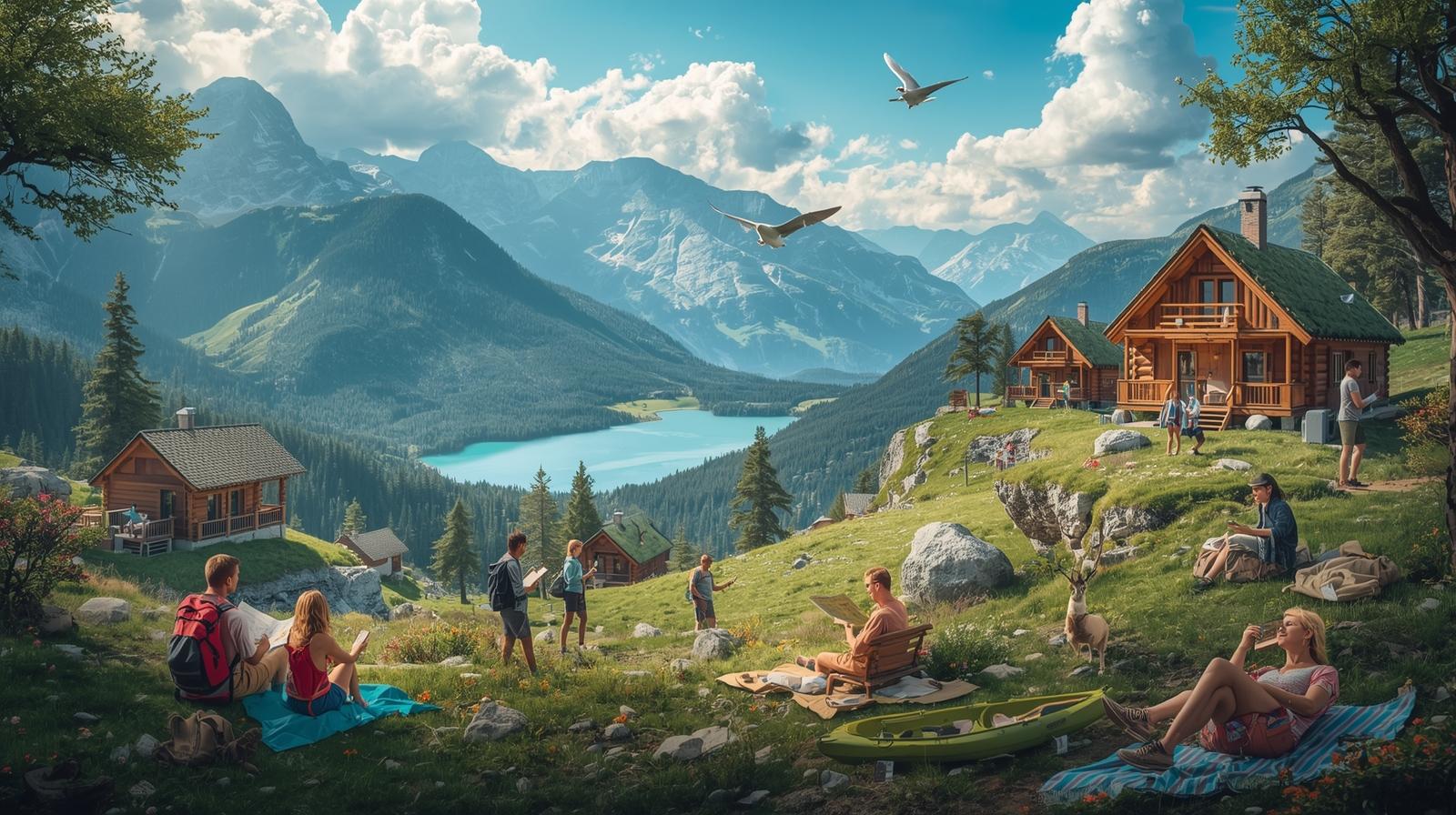
Mountain and nature stays are accommodations located in natural or rural areas. They provide travelers with lodging, access to nature activities, and support for travel planning. Travelers choose mountain and nature stays to coordinate trips, participate in outdoor experiences, and manage travel logistics efficiently.
This guide provides detailed information on mountain and nature stays, including planning, booking, facilities, services, safety, budgeting, and practical considerations for travelers.
Concept of Mountain and Nature Stays
Mountain and nature stays are accommodations that focus on providing access to natural environments. They typically include:
- Lodging near mountains, forests, or rural areas
- Access to outdoor and recreational activities
- Dining and meal options
- Transport and travel coordination
- On-site support including communication and safety services
Travelers use these stays to simplify travel logistics and integrate accommodation with exploration of nature.
Importance of Mountain and Nature Stays
Mountain and nature stays are important for several reasons:
- Access to Natural Destinations
They provide lodging close to natural areas for efficient travel. - Activity Coordination
They allow travelers to participate in hiking, trekking, wildlife observation, or exploration activities. - Safety and Supervision
Staffed accommodations provide guidance and security in remote locations. - Meal Planning
Dining or self-catering facilities support nutrition and convenience during stays. - Travel Efficiency
They reduce travel time to natural destinations and help organize itineraries.
Planning Travel with Mountain and Nature Stays
Proper planning is essential for safe and efficient travel.
Destination Selection
Considerations include:
- Proximity to trails, parks, or nature reserves
- Access to transport routes
- Availability of facilities and services
- Safety and emergency access
Selecting suitable locations ensures smooth travel and efficient activity access.
Timing and Season
Timing considerations include:
- Weather conditions affecting travel and activity
- Seasonal availability of trails, parks, or attractions
- Local events or restrictions on access
Timing ensures safety and maximizes access to desired experiences.
Travel Budget
Budget planning includes:
- Accommodation fees
- Meal expenses
- Activity or guide fees
- Transport costs
Budgeting ensures efficient allocation of resources during stays.
Types of Mountain and Nature Stays
Different types of stays support varied travel needs.
Mountain Lodges
Mountain lodges provide:
- Accommodation near hiking or trekking routes
- Meal services or self-catering
- Activity guidance and coordination
- Transport support for access to trails
Mountain lodges support travelers focused on mountain-based experiences.
Nature Cabins
Nature cabins offer:
- Private or semi-private lodging
- Access to forests, lakes, or rural areas
- Meal and activity coordination
- Transport or excursion support
Cabins provide flexible stays suitable for travelers seeking direct access to nature.
Eco-Lodges
Eco-lodges provide:
- Environmentally conscious lodging and facilities
- Sustainable energy and water use
- Coordination of nature activities
- Guidance for responsible exploration
Eco-lodges support sustainable travel in natural areas.
Campsites and Glamping Stays
Campsites and glamping stays include:
- Tent-based or semi-permanent accommodation
- Meal support or self-catering
- Access to nature activities
- Safety and guidance services
Campsites allow immersive natural experiences while maintaining basic comfort and support.
Booking Mountain and Nature Stays
Booking requires careful planning:
- Selecting locations based on travel itinerary
- Checking availability and service options
- Coordinating with transport and activity schedules
- Booking in advance to secure accommodation and facilities
- Verifying safety measures and services
Booking in advance ensures a smooth and secure stay.
Amenities and Services
Mountain and nature stays provide amenities including:
- Lodging with basic facilities and maintenance
- Meal services or kitchen access
- Guidance and coordination for activities
- Transport booking or access
- Communication and safety support
Understanding amenities ensures efficient planning for travelers.
Integration with Travel Itineraries
Stays enhance travel itineraries by:
- Reducing travel time to trails, parks, or natural attractions
- Supporting bookings for local excursions or guided activities
- Coordinating meals, rest periods, and transportation
- Centralizing resources for travel planning
Integration ensures structured and efficient travel experiences in natural areas.
Health and Safety Considerations
Health and safety are critical in mountain and nature stays.
Accommodation Safety
- Secure lodging and controlled access
- Fire and emergency protocols
- Staff trained in natural environment safety
Activity and Transport Safety
- Certified guides for trekking or outdoor activities
- Weather and terrain risk assessments
- Safety instructions and equipment for outdoor activities
Safety measures reduce risk and support secure exploration.
Budget Management
Stays support budgeting by providing:
- Transparent pricing for lodging and services
- Packages including meals and activities
- Coordination with transport or excursion services
- Seasonal or promotional rates
Budget planning ensures travelers manage costs effectively.
Technology and Digital Support
Digital tools assist in planning and execution:
- Online booking platforms for lodging and activities
- Mobile apps for navigation and activity coordination
- Communication tools for remote areas
- Digital safety guidance and local information
Technology supports smooth planning and reduces logistical challenges.
Cultural and Community Engagement
Stays can support engagement with local communities:
- Arranging visits to rural villages or community events
- Providing information about local culture and traditions
- Supporting participation in sustainable or cultural programs
This allows travelers to explore local life responsibly and efficiently.
Environmental Responsibility
Mountain and nature stays can implement sustainable practices:
- Waste management and recycling
- Energy and water conservation
- Support for local producers and communities
- Encouraging responsible exploration
Responsible practices preserve natural areas for future travelers.
Examples of Mountain and Nature Stays
Examples include:
- Lodges near trekking or climbing routes
- Cabins near lakes, forests, or rural areas
- Eco-lodges promoting sustainable travel
- Campsites or glamping sites offering immersive experiences
- Stays integrated with local community programs
These examples show how accommodation can support efficient and responsible travel in natural areas.
Planning Daily Schedules
Daily schedules include:
- Coordination of meals and activity timing
- Rest and preparation periods
- Excursion and trail planning
- Flexibility for weather or unforeseen events
Daily planning ensures safe and structured nature exploration.
Group and Family Considerations
Planning for groups or families involves:
- Selecting lodging with sufficient capacity
- Coordinating activities for multiple age groups
- Planning meals and transport efficiently
- Ensuring safety during outdoor excursions
Group planning ensures organized and secure travel experiences.
Seasonal and Regional Considerations
Planning must consider:
- Weather and seasonal trail conditions
- Local events or restricted access
- Regional regulations affecting activity
- Availability of facilities and services
Seasonal and regional planning ensures efficiency and safety.
Future of Mountain and Nature Stays
Stays continue to evolve with:
- Integration of technology for booking and service coordination
- Emphasis on sustainable and eco-friendly practices
- Personalized guidance and activity support
- Coordination with local communities and cultural experiences
Modern stays support safe, structured, and responsible exploration of natural areas.
Conclusion
Mountain and nature stays provide travelers with lodging, meals, activity coordination, and safety support. They enhance planning, reduce logistical challenges, and allow structured exploration of natural areas. Proper selection and planning allow travelers to execute itineraries efficiently, access outdoor activities safely, and engage with local environments responsibly.
This guide provides comprehensive information for travelers to plan, book, and manage stays in mountain and nature areas while ensuring safety, convenience, and sustainable travel practices.