
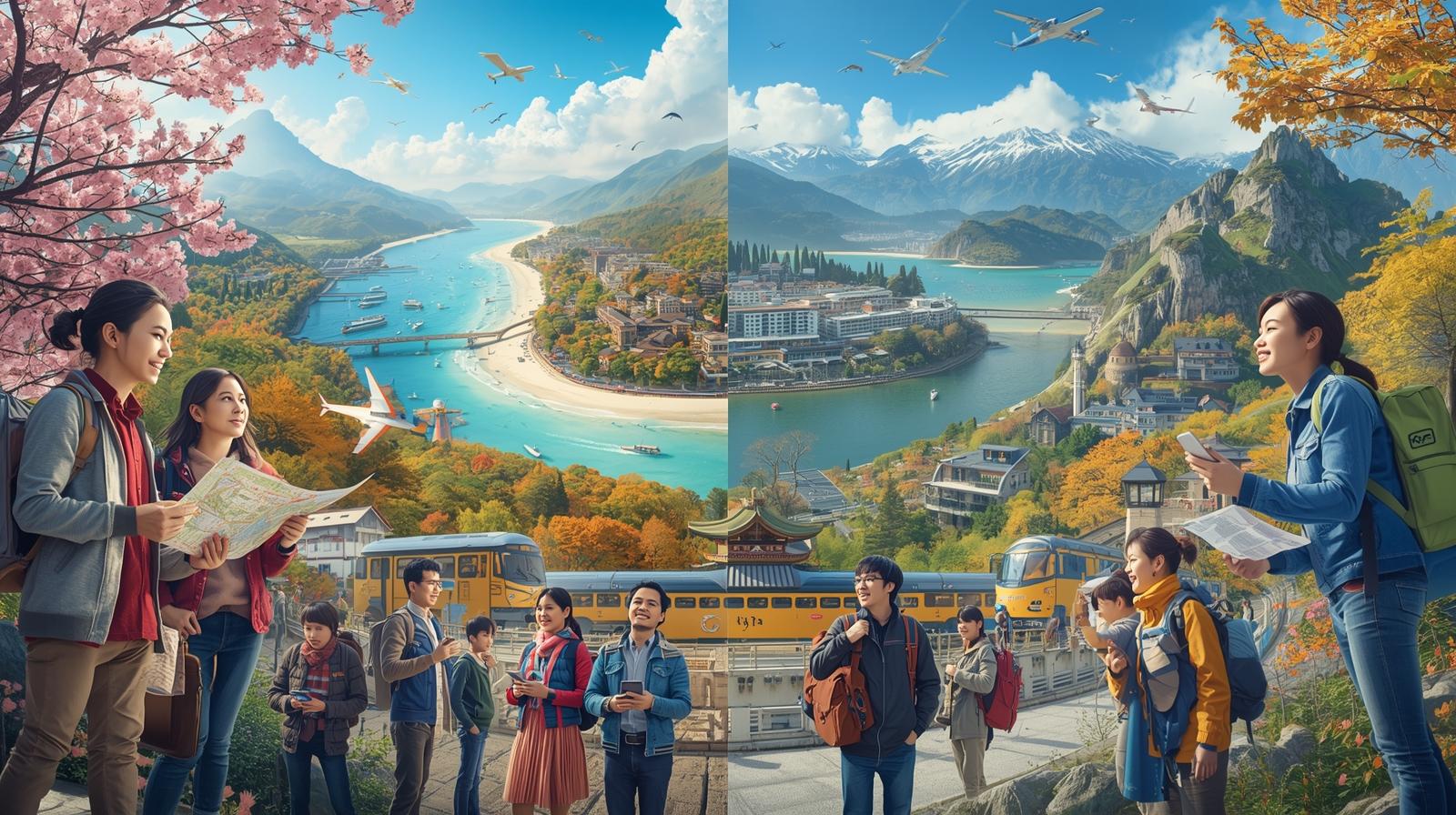
Seasonal travel guides provide structured information for travelers planning trips according to seasons. They focus on weather patterns, activities, destinations, and travel logistics specific to different times of the year. Travelers use seasonal travel guides to plan trips efficiently, maximize experiences, and navigate transport and accommodation systems safely.
This guide provides detailed information for planning seasonal travel, including destinations, timing, transport, accommodation, activities, food, health, safety, and budgeting.
Concept of Seasonal Travel Guides
Seasonal travel guides are resources that focus on travel planning according to seasons. They include:
- Climate and weather information for each season
- Seasonal activities and experiences
- Destination accessibility
- Transport schedules affected by seasons
- Accommodation availability
- Safety and health considerations
Travelers use these guides to plan trips that align with weather conditions and seasonal events.
Importance of Seasonal Travel Guides
Seasonal travel guides are important for several reasons:
- Efficient Planning
They help travelers coordinate travel, accommodation, and activities based on seasonal conditions. - Safety
Weather conditions can affect transport, accommodation, and activity accessibility. Guides provide information to mitigate risks. - Time Management
Guides allow travelers to choose the optimal season for activities, festivals, or sightseeing. - Cost Efficiency
Traveling in certain seasons can reduce costs for accommodation, transport, and activities. - Cultural and Event Awareness
Guides provide information about seasonal festivals, public holidays, and cultural events.
Planning Seasonal Travel
Planning ensures travelers optimize experiences during specific seasons.
Destination Selection
Destination planning considers:
- Climate patterns
- Seasonal accessibility
- Availability of seasonal activities
- Local events or festivals
Choosing destinations appropriate for the season ensures travel efficiency and experience maximization.
Travel Timing
Travel timing is based on:
- Peak or off-peak seasons
- Weather and climate patterns
- Local events
- Transport availability
Timing travel properly ensures accessibility and avoids disruptions.
Travel Budget
Budget planning includes:
- Seasonal transport cost variations
- Accommodation rates
- Activity or event fees
- Food and dining expenses
Planning according to season can reduce costs and allow effective budget management.
Types of Seasonal Travel
Seasonal travel can be organized according to weather conditions, activities, or events.
Winter Travel
Winter travel may focus on:
- Skiing or snow-based activities
- Winter festivals and markets
- Urban sightseeing in low-season cities
- Coastal or mild climate escapes
Planning must consider transport reliability, weather-related delays, and winter safety measures.
Spring Travel
Spring travel often includes:
- Nature exploration with seasonal blooms
- Outdoor activities such as hiking and walking routes
- Cultural events or festivals tied to spring
- Urban exploration with accessible outdoor spaces
Spring travel benefits from moderate weather and longer daylight hours.
Summer Travel
Summer travel may focus on:
- Coastal or island destinations
- Outdoor recreation such as swimming, walking, or cycling
- Participation in local summer festivals
- Exploration of national parks or rural regions
Planning must consider crowd levels, transport scheduling, and accommodation availability.
Autumn Travel
Autumn travel often includes:
- Observation of seasonal changes in nature
- Visits to cultural or historical sites during low-peak periods
- Local harvest festivals or events
- Urban exploration with mild weather
Autumn travel provides opportunities for cost-efficient planning and manageable travel logistics.
Transport Systems in Seasonal Travel
Transport planning is essential and may vary by season.
Road Travel
Road transport includes:
- Personal vehicles or rentals
- Bus services
- Shuttle or taxi services
Seasonal considerations:
- Winter roads may require preparation for snow or ice
- Summer and spring traffic may increase in tourist areas
Rail Travel
Rail systems provide scheduled regional connections. Seasonal considerations include:
- Additional services during festivals or holidays
- Track maintenance schedules affecting availability
- Reservation requirements during peak seasons
Air Travel
Air transport supports domestic and international travel. Seasonal considerations:
- Low-cost options may vary by season
- Scheduling may be affected by weather conditions
- Flight availability may be higher during holiday periods
Sea Travel
Coastal or island destinations may require:
- Ferries or boat transport
- Seasonal operation schedules
- Weather-dependent access
Seasonal planning ensures safety and prevents delays.
Accommodation for Seasonal Travel
Accommodation planning is influenced by season and travel patterns.
- Hotels and motels with seasonal pricing
- Guesthouses or hostels with peak-season bookings
- Short-term rentals or serviced apartments
- Community or homestay lodging
Considerations:
- Proximity to seasonal activities
- Availability during peak or off-peak periods
- Safety and accessibility
- Amenities for seasonal comfort
Booking in advance ensures availability and prevents price surges.
Activities in Seasonal Travel
Seasonal travel guides provide recommendations for activities suitable to the season.
Winter Activities
- Skiing or snow sports
- Winter festivals and events
- City tours in low-season periods
- Museum and indoor activity visits
Spring Activities
- Nature walks and botanical observation
- Outdoor exploration of rural or urban areas
- Participation in spring cultural events
- Short weekend trips to nearby destinations
Summer Activities
- Coastal or water-based recreation
- National park exploration
- Outdoor cultural programs or local events
- Short hiking or trekking routes
Autumn Activities
- Observation of seasonal landscapes
- Participation in harvest festivals
- Visits to cultural and historical sites
- Weekend trips or rural exploration
Activities should be selected based on accessibility, interest, and travel duration.
Food and Dining
Food considerations include:
- Seasonal local produce
- Local markets and street food options
- Seasonal festival meals or events
- Restaurant availability and pricing
Planning meals according to season can support cost management and maximize experience.
Health and Safety
Seasonal travel introduces specific health and safety considerations.
Safety Measures
- Planning routes and schedules according to weather
- Awareness of seasonal hazards
- Access to emergency contacts and services
- Selection of safe accommodation
Health Considerations
- Seasonal vaccinations or preventive measures
- Access to medical facilities
- Medication and health preparation for seasonal conditions
Health planning ensures travelers can manage seasonal risks effectively.
Budget Planning
Seasonal variations affect costs. Budget considerations include:
- Accommodation pricing during peak or off-peak seasons
- Transport fares during high-demand periods
- Activity or event entry fees
- Food and dining costs
Proper budgeting according to season ensures cost-effective travel planning.
Travel Documentation
Essential documentation includes:
- Passport and visa if applicable
- Travel insurance
- Transport tickets and booking confirmations
- Emergency contact details
Digital and physical copies should be prepared for seasonal travel.
Technology Support
Digital tools assist in seasonal travel:
- Navigation and weather tracking apps
- Online booking platforms for accommodation and transport
- Communication tools for local contacts
- Offline maps and resources for remote areas
Technology support ensures smooth seasonal travel planning.
Cultural and Community Awareness
Travelers should respect local customs and seasonal practices:
- Participation in seasonal events or festivals respectfully
- Following local rules for seasonal activities
- Observing dress codes and public behavior
- Engagement with community programs
Cultural awareness ensures smooth interactions and safety.
Environmental Responsibility
Seasonal travel requires attention to environmental impact:
- Managing waste during peak seasons
- Respecting natural and cultural resources
- Supporting local businesses
- Following sustainable practices
Responsible travel preserves destinations across seasons.
Examples of Seasonal Travel Destinations
Seasonal travel guides provide destination recommendations for each season:
- Winter: Mountains, ski resorts, low-season urban cities
- Spring: National parks, botanical areas, cultural festival locations
- Summer: Coastal towns, islands, outdoor recreation areas
- Autumn: Harvest regions, cultural centers, rural exploration
Selecting destinations according to season ensures safety, accessibility, and travel efficiency.
Planning Itineraries for Seasonal Travel
Itineraries should balance:
- Travel and activity time
- Accommodation and dining coordination
- Seasonal activities and events
- Flexibility for weather or schedule changes
Structured itineraries allow efficient use of time and resources.
Group and Family Travel
Seasonal travel guides may include recommendations for groups or families:
- Accommodation for multiple participants
- Group transport coordination
- Age-appropriate seasonal activities
Group travel requires additional planning but can reduce costs and improve efficiency.
Seasonal and Regional Considerations
Travelers should consider:
- Local climate and seasonal weather patterns
- Transport and accommodation availability
- Local festivals and public events
- Activity accessibility and safety
Proper consideration ensures travel efficiency and risk management.
Future of Seasonal Travel Guides
Seasonal travel guides continue to evolve:
- Integration of digital platforms and mobile apps
- Up-to-date transport, accommodation, and activity information
- Support for sustainable and responsible travel
- Guidance for cultural and health awareness
Travelers rely on seasonal guides to plan efficient, safe, and organized trips.
Conclusion
Seasonal travel guides provide structured information for planning trips according to seasons. They support travelers in destination selection, transport planning, accommodation, activities, dining, health, safety, and budgeting. Effective use of seasonal guides allows travelers to maximize experiences, engage with local communities, and navigate seasonal variations efficiently.
This guide provides comprehensive information for travelers to plan, manage, and execute trips throughout the year while ensuring safety, accessibility, and cultural awareness.